Hiroshima Peace Memorial Park: A Lasting Legacy
広島平和記念公園- Hiroshima Heiwa Kinen Kōen
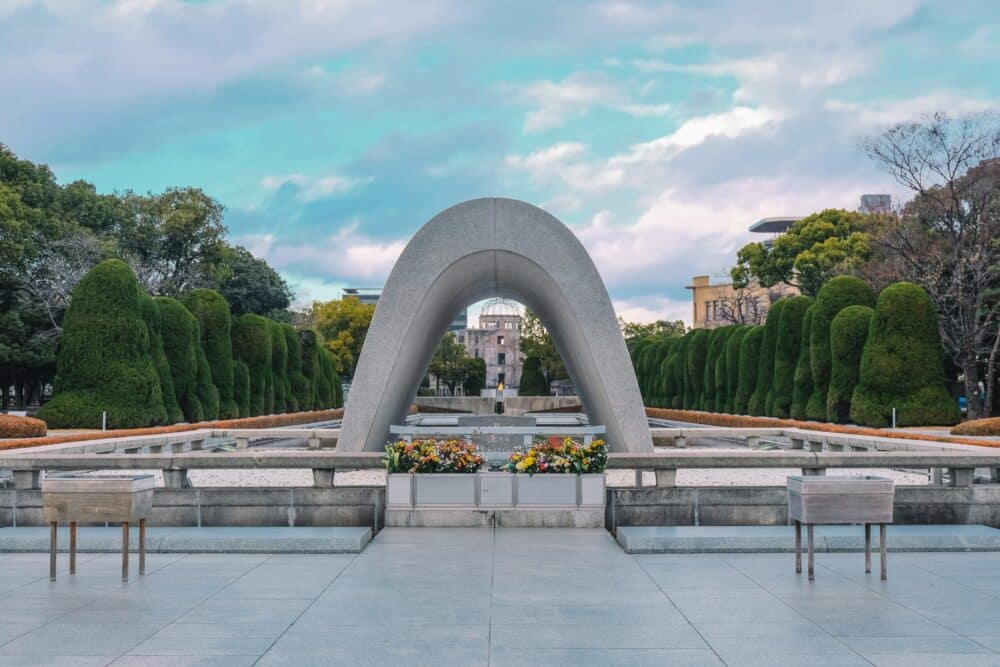
Hiroshima Peace Memorial Park is one of the most significant places to visit in Japan. Located in the heart of Hiroshima, the park commemorates the victims of the atomic bombing of August 6th 1945 and serves as a powerful symbol of peace and remembrance. Today, visitors from around the world come to learn about what happened on that fateful day, reflecting on the personal accounts, experiences, and stories of the Hibakusha (被爆者)—the survivors of the atomic bombing—and gaining a deeper understanding of Hiroshima’s tragic history.
The History of Hiroshima Peace Memorial Park
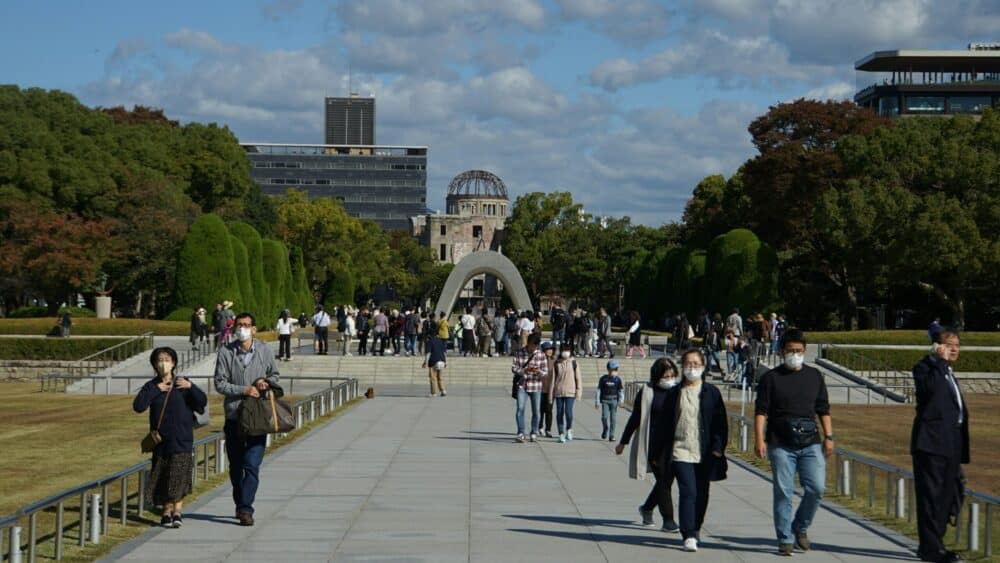
Before 1945, the area where the park now stands was part of the busy Nakajima district, a commercial and residential centre of Hiroshima. The atomic bomb destroyed the area, leaving almost nothing.
After the war, the area was transformed into Hiroshima Peace Memorial Park, officially opened in 1954. Rather than rebuilding the neighbourhood exactly as it had been, the site was designed as a place for remembrance, reflection and peace.
Walking through the park today, it can be difficult to imagine the bustling community that once stood there.
The Atomic Bomb Dome
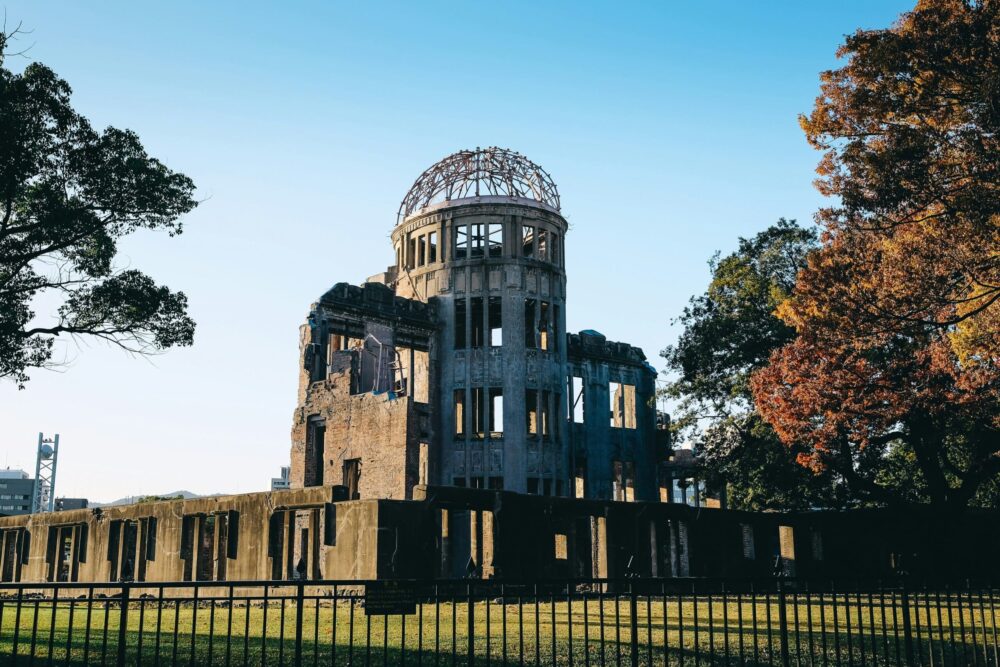
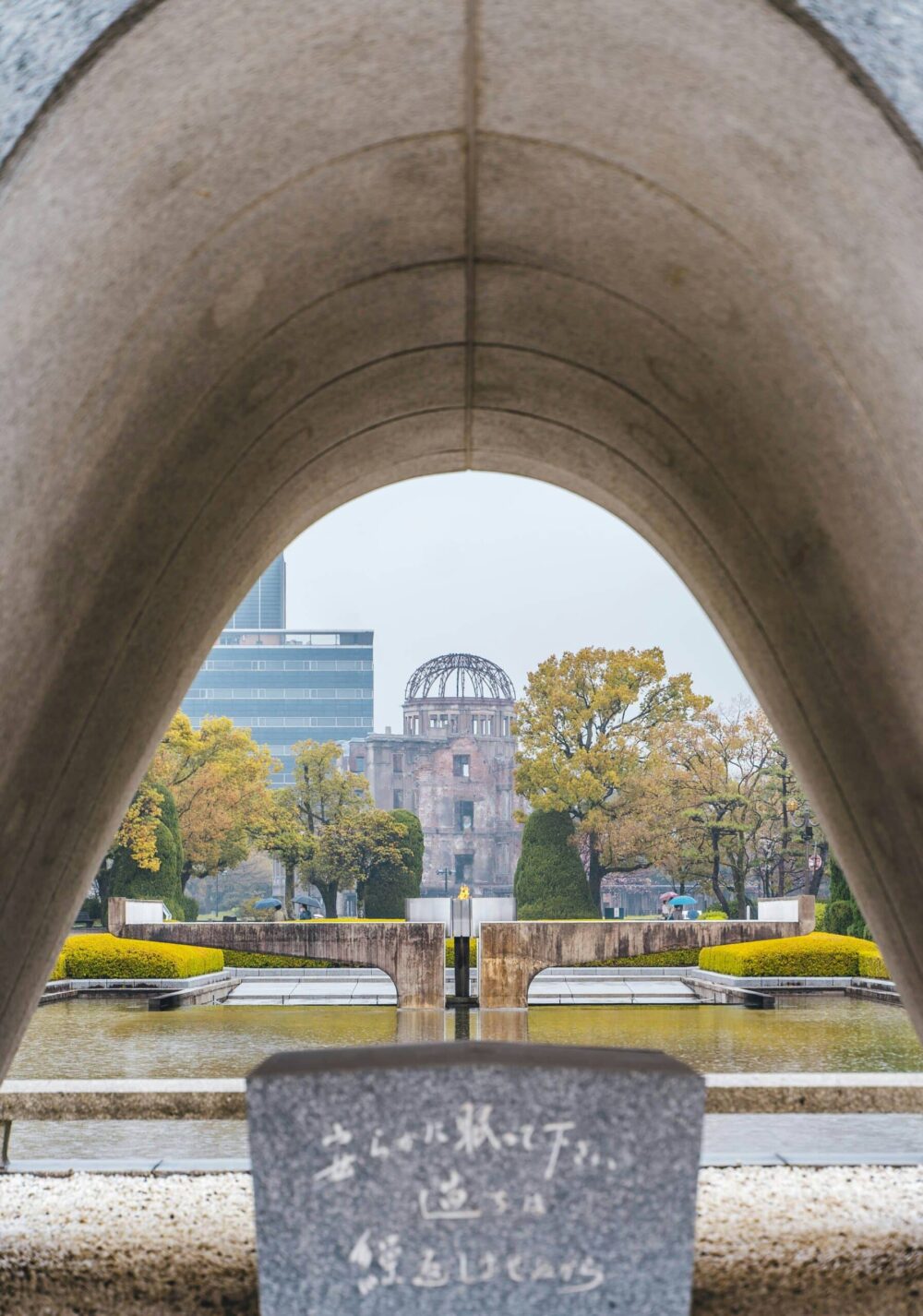
One of Hiroshima’s most recognisable landmarks, the Atomic Bomb Dome stands near the edge of the park. Originally constructed as the Hiroshima Prefectural Industrial Promotion Hall, the building was located close to the bomb’s hypocentre and was one of the few structures in the area to remain partially standing after the explosion.
Today, the preserved ruins are a UNESCO World Heritage Site and serve as a powerful reminder of the wanton destruction caused by the atomic bomb.
Visitors can walk around the Dome and view it from different points along the Motoyasu River, where its distinctive silhouette has become an enduring symbol of Hiroshima.
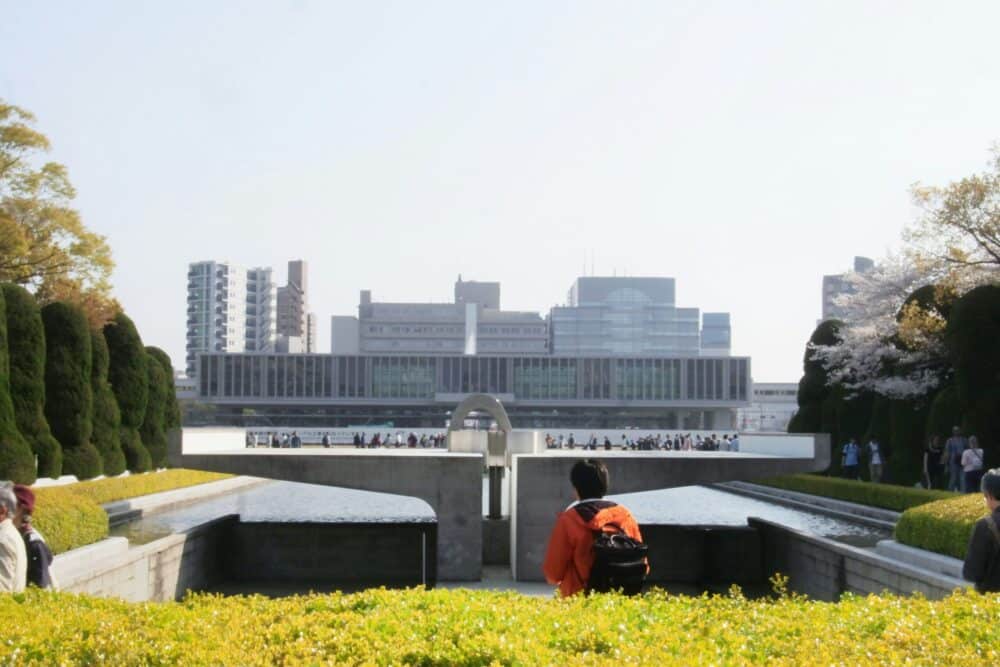
Peace Memorial Museum and the Children’s Peace Monument
The Hiroshima Peace Memorial Museum provides detailed information about the bombing, its victims, and the experiences of survivors. Exhibits include personal belongings, photographs, documents, and stories that help visitors to visualize and understand the impact of the blast on the residents of Hiroshima.
Nearby stands the Children’s Peace Monument, inspired by Sadako Sasaki, who survived the initial blast but later died from the effects of radiation. The monument also honours the many children and young students who lost their lives as a result of the bombing. Thousands of colourful paper cranes are offered at the monument each year as symbols of hope and peace.
Visiting Hiroshima Peace Memorial Park
Hiroshima Peace Memorial Park is more than a collection of monuments. It is a place for visitors to slow down, reflect, and learn about one of the most important events of the 20th century.
For travellers exploring Hiroshima, allow several hours to walk through the park, visit the museum, see the Atomic Bomb Dome, and take time to reflect along the riverside.
Visit Hiroshima Peace Memorial Park and discover the stories behind one of Japan’s most important places of peace and remembrance. Explore its monuments, learn from Hiroshima’s history, and experience the city’s enduring message of peace for yourself.