Hiroshima Before 1945: The Castle Town Behind the Modern City
広島 – Hiroshima
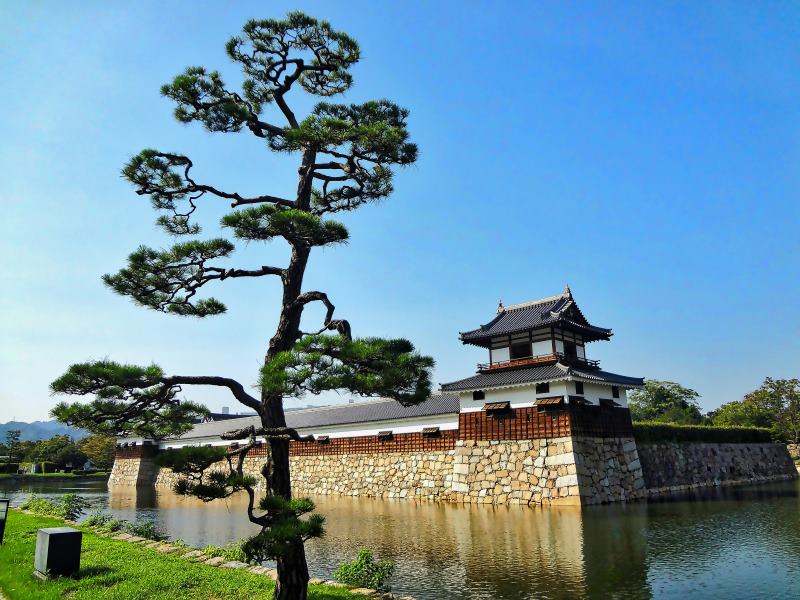
Hiroshima was a prosperous castle town shaped by samurai, merchants, temples, waterways, and trade before it gained international recognition for the events of 1945. There are still remnants of this earlier Hiroshima scattered throughout the present city, even though a large portion of it has vanished beneath contemporary streets and structures.
The Birth of Hiroshima Castle Town
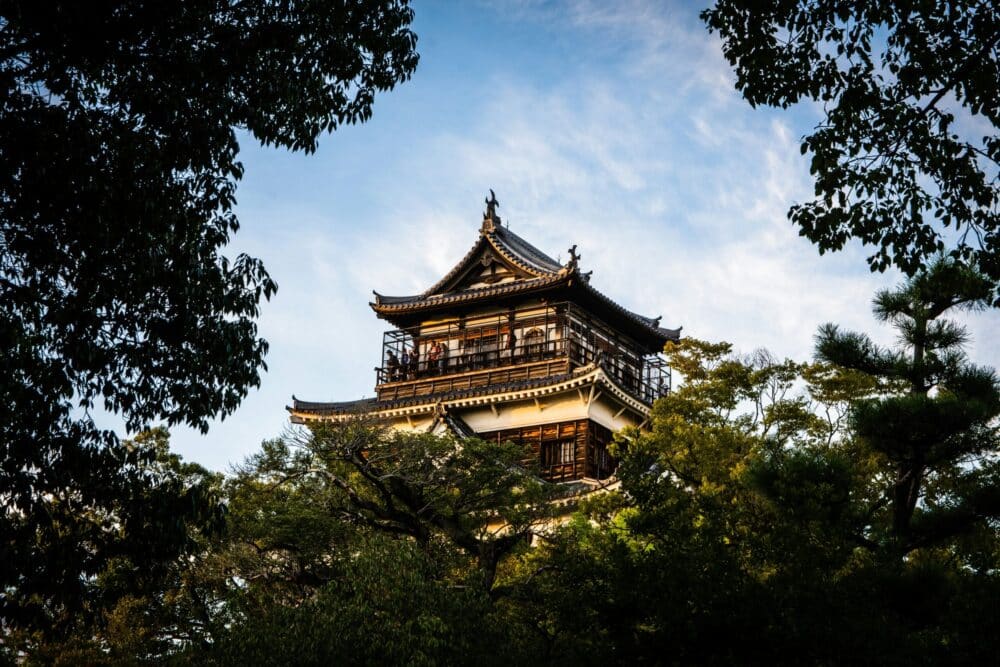
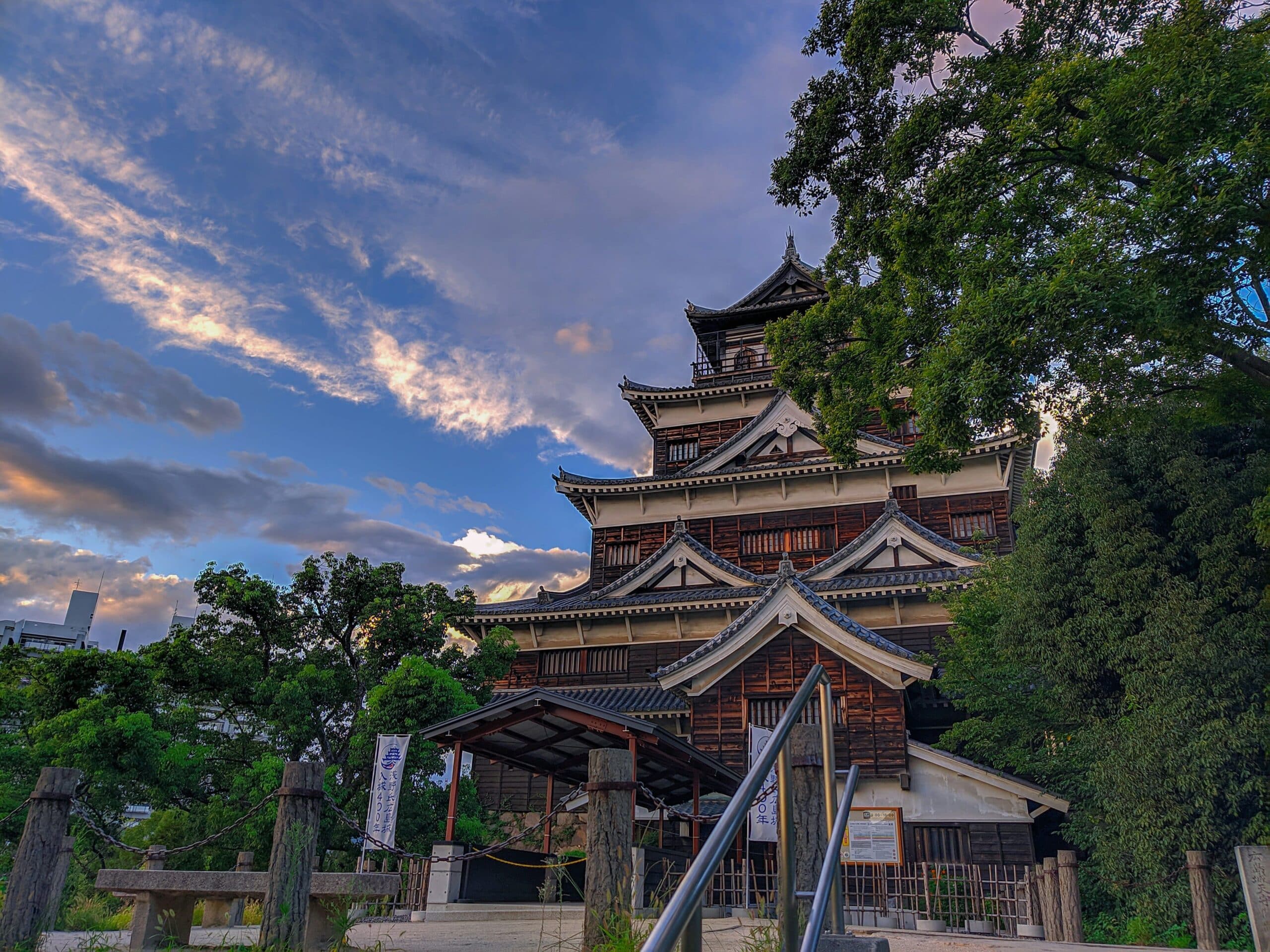
The powerful warlord Mōri Terumoto started building Hiroshima Castle on the Ōta River delta in 1589, marking the beginning of Hiroshima’s transformation into a major castle town. Roads, homes, temples, and business areas all grew up around the castle, which soon became the hub of an ever expanding community.
Hiroshima became the capital of the Hiroshima Domain during the Edo period, under the Asano family’s rule starting in 1619. With samurai homes, merchant districts, temples, and shrines encircling the castle, the castle town grew into a meticulously planned urban center. Hiroshima Castle and its grounds are still open to tourists today. The location offers a chance to envision the political and cultural core of the former castle town, despite the fact that the original castle was destroyed during World War II and subsequently rebuilt.
Shukkeien: A Glimpse of Edo-Period Hiroshima
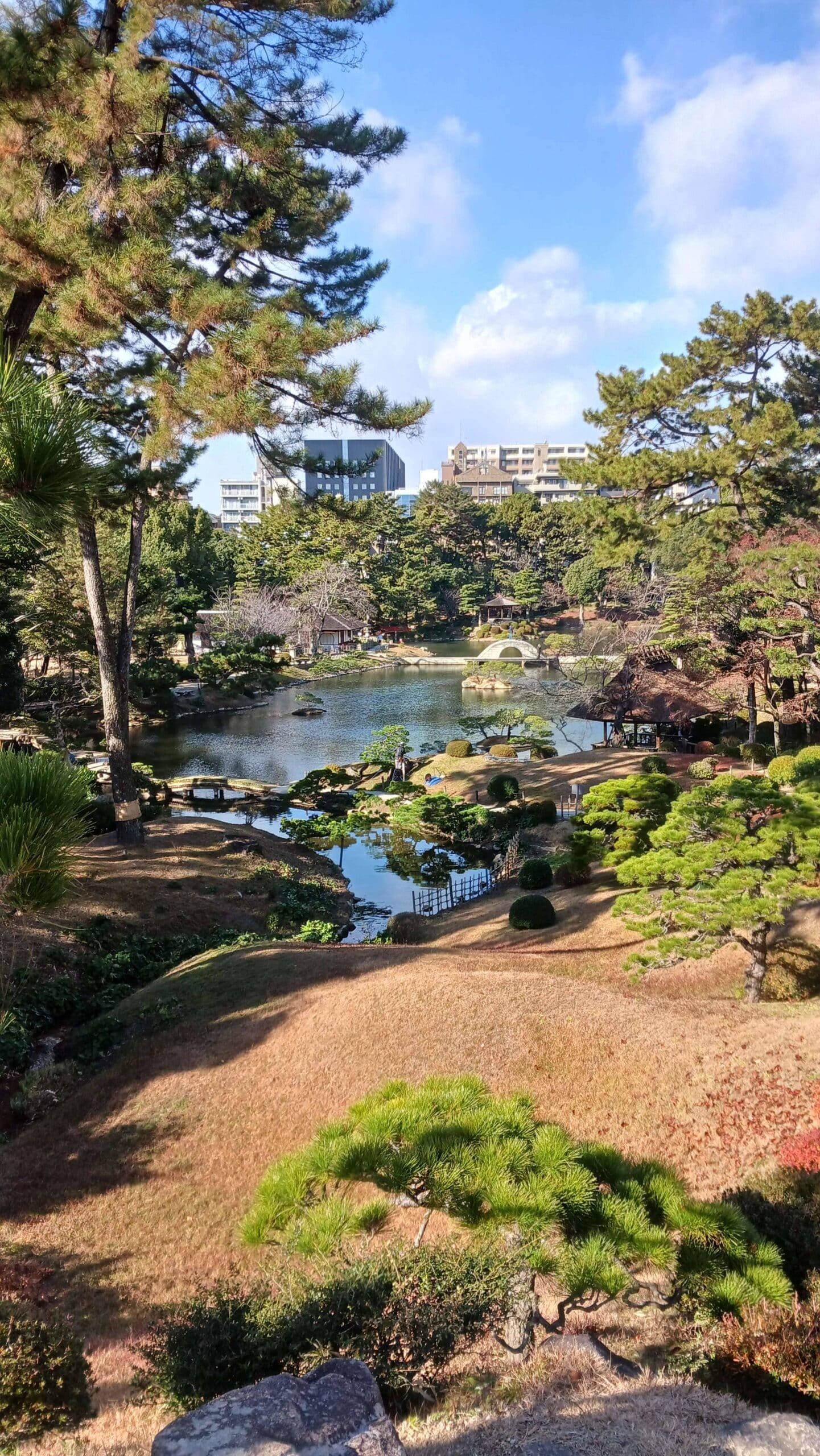
Shukkeien Garden, created in 1620 for the feudal lord of Hiroshima, is among the best surviving examples of this era. Within the bustling castle town, its ponds, bridges, miniature landscapes, and traditional scenery were intended to create a tranquil haven.
Shukkeien provides visitors with a remarkably tranquil connection to the city’s feudal past, in contrast to many other historical sites in Hiroshima. Encircled by well-kept gardens, strolling along its paths today offers a window into the world that Hiroshima’s feudal rulers lived in centuries ago.
Located close to Hiroshima Castle and the city centre, Shukkeien is an easy place to add to a Hiroshima itinerary.
A City Shaped by Water and Trade
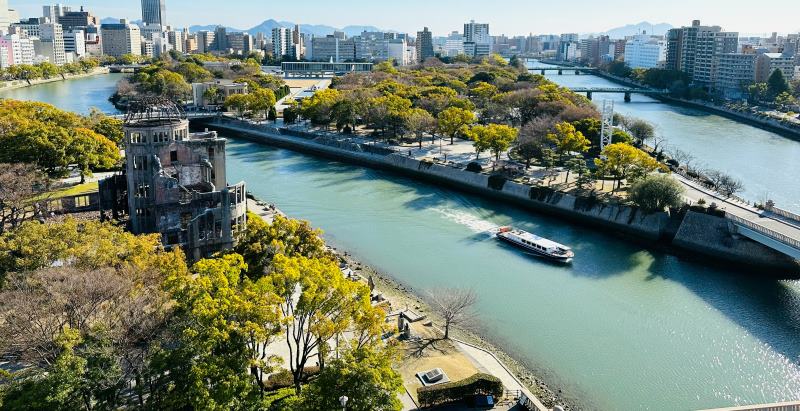
Hiroshima’s geography played an important role in its growth. Several branches of the Ōta River flowed through the city before reaching the Seto Inland Sea, providing natural transportation routes for people and goods.
Hiroshima’s location also connected it to ports and islands across the Inland Sea. Boats transported rice, seafood, timber, and other goods, allowing the city to grow into a major trade hub in western Japan.
The rivers are still an important part of Hiroshima today. Walking along the Motoyasu and Ōta rivers, crossing city bridges, or exploring the waterfront offers a unique perspective of Hiroshima’s relationship with water.
Discovering the Lost Castle Town
Walking through modern Hiroshima, it’s difficult to imagine the city before 1945. Many of the landscape’s former samurai residences, merchants’ homes, temples, and waterways have been replaced by modern streets, buildings, shopping districts, and parks.
However, Hiroshima Castle, Shukkeien, historic temples and shrines, and the city’s rivers all point to an earlier era. Exploring these places allows visitors to see beyond Hiroshima’s modern identity and discover the centuries of history that preceded it. The Hiroshima of before 1945 was not simply a city waiting for its modern history to begin. It was a living castle town with its own traditions, communities, architecture, and culture. By visiting the surviving landmarks of this earlier Hiroshima, travellers can follow the city’s story from its samurai past into the vibrant modern city that stands here today.