
Senso-ji Temple — Tokyo’s Ancient Heart in Asakusa
東京- Tokyo🗼
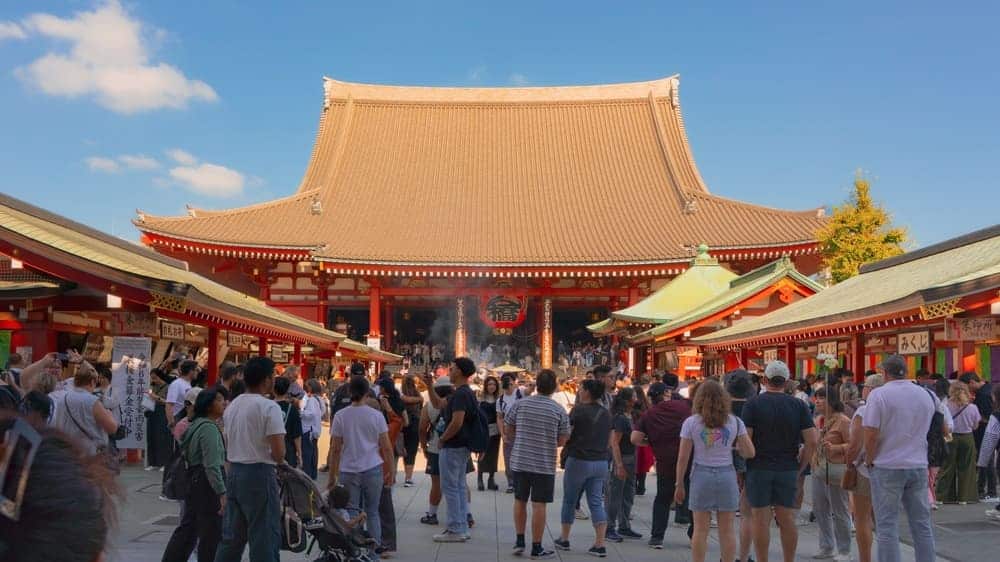
Senso-ji (浅草寺) is one of Tokyo’s most famous landmarks and the city’s oldest temple. Located in historic Asakusa, it combines centuries of Buddhist history with lively shopping streets, traditional food and the unmistakable atmosphere of old Tokyo.
According to tradition, the story of Senso-ji began in 628, when two fishermen discovered a small statue of Kannon, the Buddhist bodhisattva of compassion, in the nearby Sumida River. The statue became the centre of worship at the temple and remains hidden from public view to this day.
But Senso-ji is much more than a temple. From the enormous Kaminarimon Gate and bustling Nakamise shopping street to the traditional streets, restaurants and smaller sights of Asakusa, there is plenty to explore before and after visiting the Main Hall. It’s a place where Tokyo’s ancient history and lively modern culture come together, making it one of the city’s most rewarding areas to explore.

Kaminarimon Gate & Nakamise — The Gateway to Senso-ji
Your visit begins at Kaminarimon (雷門), or “Thunder Gate,” one of Tokyo’s most recognisable landmarks. The huge red lantern and statues of the God of Thunder and God of Wind make it an unforgettable entrance to Senso-ji. It’s also one of the most popular photo spots in Asakusa, so expect plenty of visitors around the gate during the day.
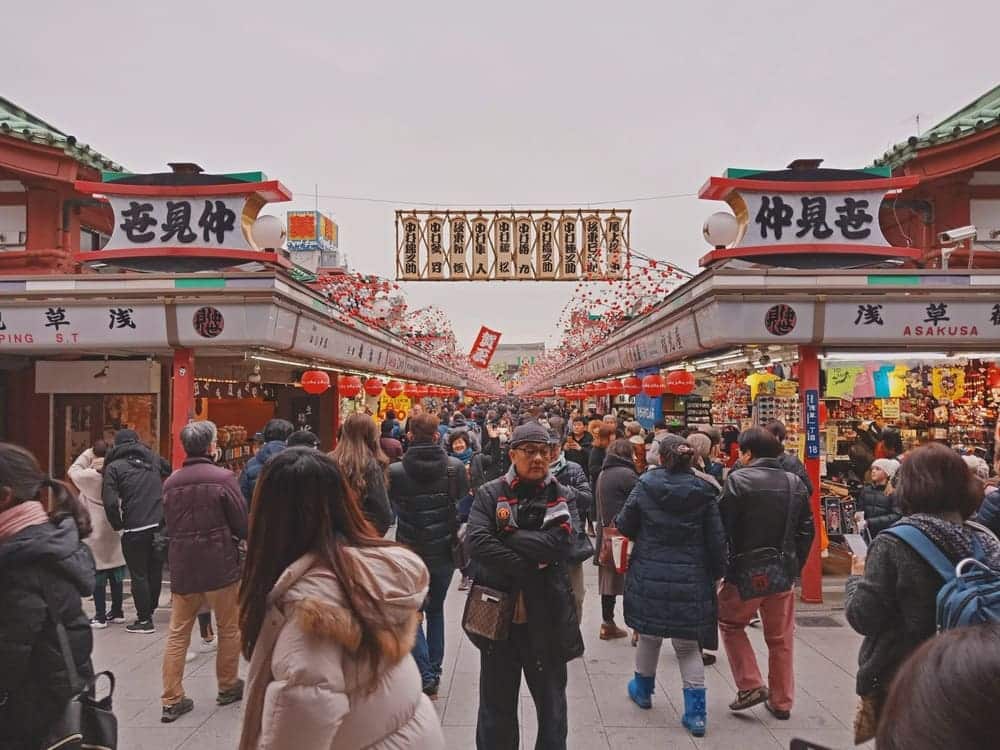
Beyond the gate is Nakamise, a lively shopping street stretching roughly 250 metres towards the temple. Its traditional stalls sell Japanese sweets, snacks, souvenirs and crafts, making the walk towards Senso-ji part of the experience itself. Take your time here and enjoy the atmosphere before continuing towards the Main Hall.
Senso-ji’s Incredible History
Senso-ji has a history stretching back almost 1,400 years. After the discovery of the Kannon statue in 628, a temple was established around it, eventually growing into one of the most important Buddhist temples in Tokyo.
The temple has survived fires, earthquakes and war over the centuries. Much of what you see today was rebuilt after the Tokyo air raids of 1945, including the Main Hall, which was reconstructed in 1958.
One of Senso-ji’s most fascinating traditions is the hidden Kannon. The original statue is kept concealed and is not displayed to the public, adding an intriguing sense of mystery to the temple’s long history. Despite being hidden from view, the statue remains the spiritual heart of Senso-ji and has been central to worship here for centuries.

Explore More Than Just the Temple
One of the best things about Senso-ji is the neighbourhood surrounding it. Asakusa has a distinctly old-Tokyo atmosphere, with traditional restaurants, izakayas, small shops and narrow streets that feel very different from the skyscrapers of modern Tokyo.
Take some time to explore beyond Nakamise and the Main Hall. You’ll find the impressive five-storied pagoda, Asakusa Shrine, smaller temple buildings and plenty of places to stop for traditional Japanese food and sweets. It’s worth slowing down and wandering the surrounding streets, where you can discover a more traditional side of Tokyo away from the main crowds.
Senso-ji at Night — A Different Side of Asakusa
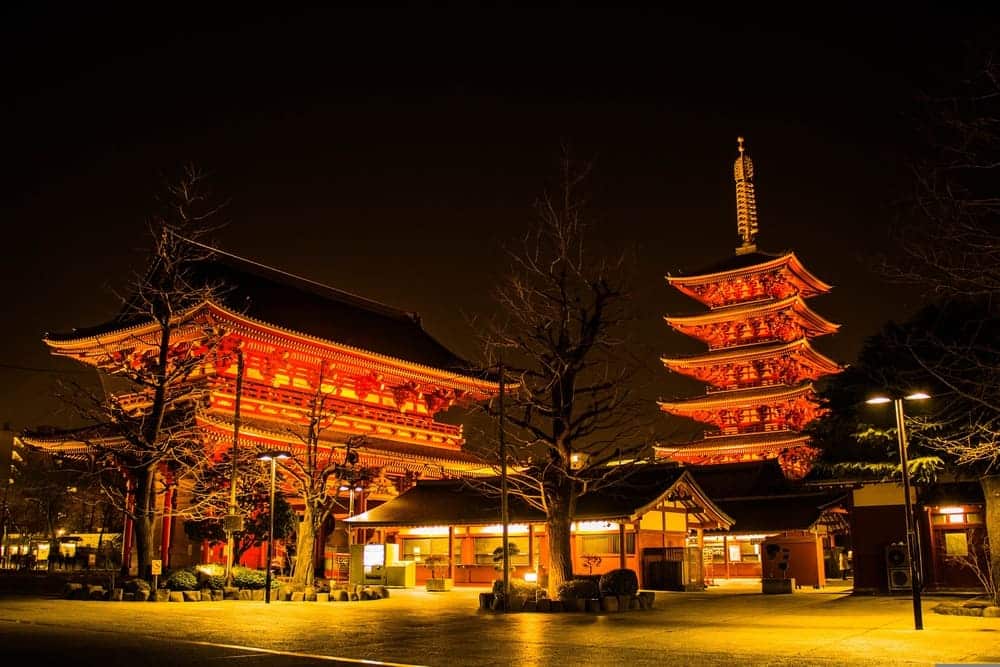
Senso-ji is beautiful during the day, but after dark it takes on a completely different atmosphere. The temple buildings and pagoda are illuminated, while the crowds around Nakamise begin to disappear, making the area feel much calmer.
The contrast is part of the charm. During the day, Asakusa is lively and bustling; at night, the same historic streets can feel surprisingly peaceful, with the illuminated temple creating a beautiful backdrop for an evening stroll. If you have time, visiting both during the day and after dark gives you two very different experiences of Senso-ji.
GREAT THINGS TO DO
& SEE IN TOKYO
Ready to explore Tokyo? Discover guided tours, cultural experiences, food adventures, and exciting activities to make the most of your time in the city.