
Nikko Top Attractions
Explore Nikko’s magnificent shrines, forest paths and mountain scenery, with beautiful waterfalls and local flavours along the way. Take time for a peaceful walk, a warming bowl of yuba soba and a sweet treat between memorable sightseeing stops.
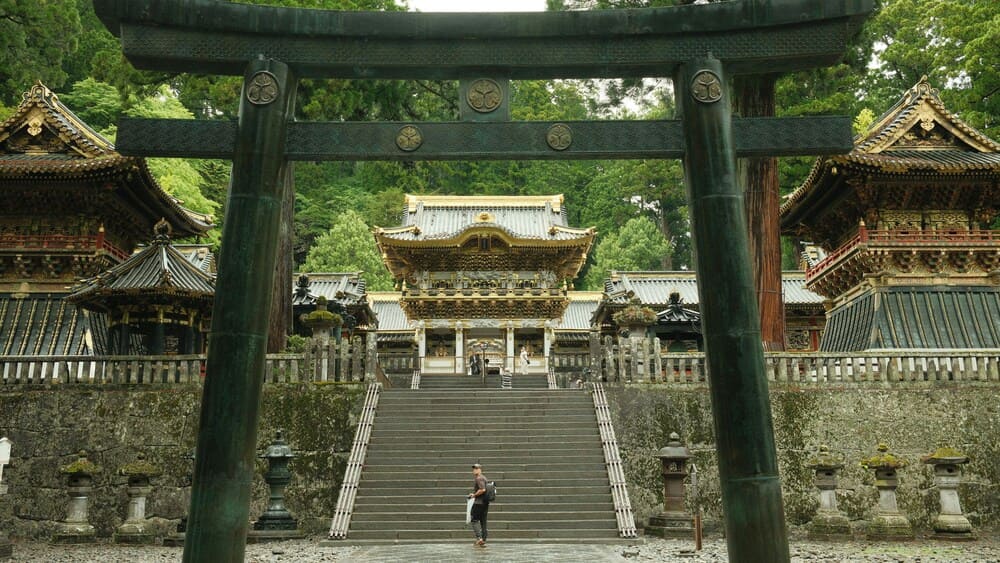
Nikko Toshogu Shrine
Nikko Toshogu is a wonderful place to discover the craftsmanship and history that make Nikko so memorable. Elaborate gates, rich colours and carefully carved details stand among tall trees, creating a setting that feels grand and atmospheric at the same time.
The shrine honours Tokugawa Ieyasu, founder of the Tokugawa shogunate. His grandson Iemitsu developed the lavish complex in the seventeenth century. Alongside its celebrated Yomeimon Gate, look for the famous three wise monkeys and the small sleeping-cat carving.
Give yourself time to notice the details rather than moving straight from one landmark to another. The surrounding forest adds to the experience, and nearby museums can deepen your understanding of the site. Combine a visit with the other shrines and temples in the World Heritage area, leaving space for a relaxed lunch featuring local yuba.

Shinkyo Bridge
Shinkyo Bridge makes a beautiful introduction to Nikko. Its vermilion curve crosses the Daiya River against a backdrop of trees and mountains, with a different mood in every season. It is one of the town’s most recognisable views.
The bridge belongs to Futarasan Shrine and marks a traditional entrance to Nikko’s sacred mountain area. Local legend tells of the monk Shodo receiving help from two snakes that formed a bridge across the river. The story connects this landmark with the beginnings of religious life in Nikko.
Enjoy the view from the public roadside and riverside viewpoints, keeping walking routes clear when taking photographs. If you would like to step onto the bridge, check the current visitor arrangements. Afterwards, continue towards the shrine and temple district or browse the cafes and shops along the approach through town.
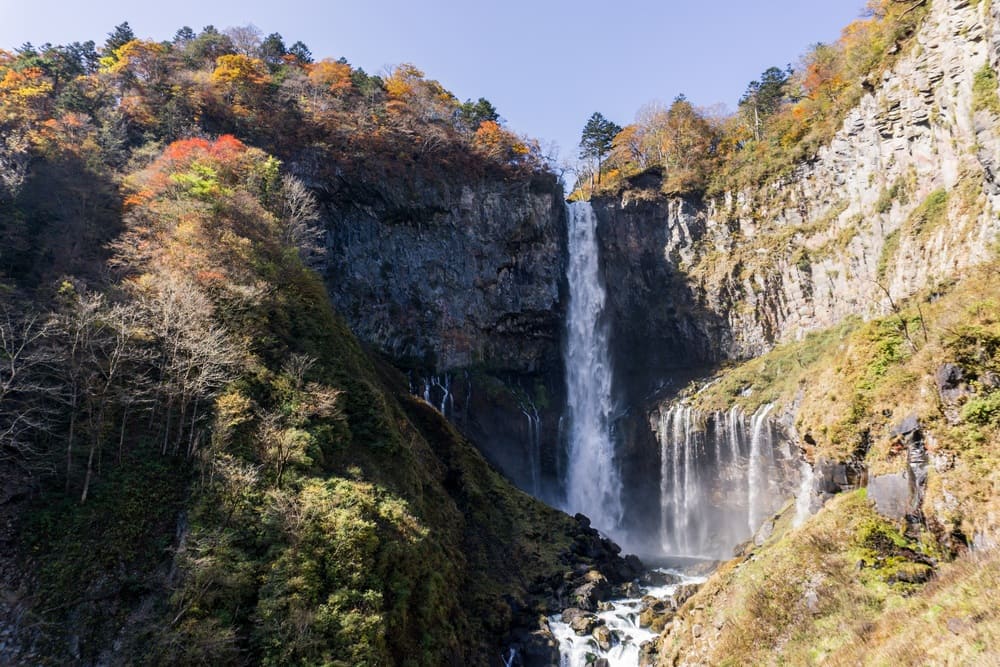
Kegon Falls
Kegon Falls brings a dramatic change of scenery after Nikko’s historic shrines. Water from Lake Chuzenji drops about 97 metres into a rocky gorge, with smaller streams and wooded cliffs adding texture to the view. The sound of the water is part of the attraction.
The waterfall is closely connected with the volcanic landscape around Mount Nantai and the lake above it. Its appearance changes with rainfall and the seasons: fresh greenery, autumn foliage and winter ice each create a different atmosphere.
Enjoy the main viewpoints and check the current arrangements for the elevator to the lower observation area if you would like another perspective. A light layer can be useful when the mountain air feels cool. Combine this stop with Lake Chuzenji nearby, leaving time for a lakeside walk or a warming bowl of noodles.
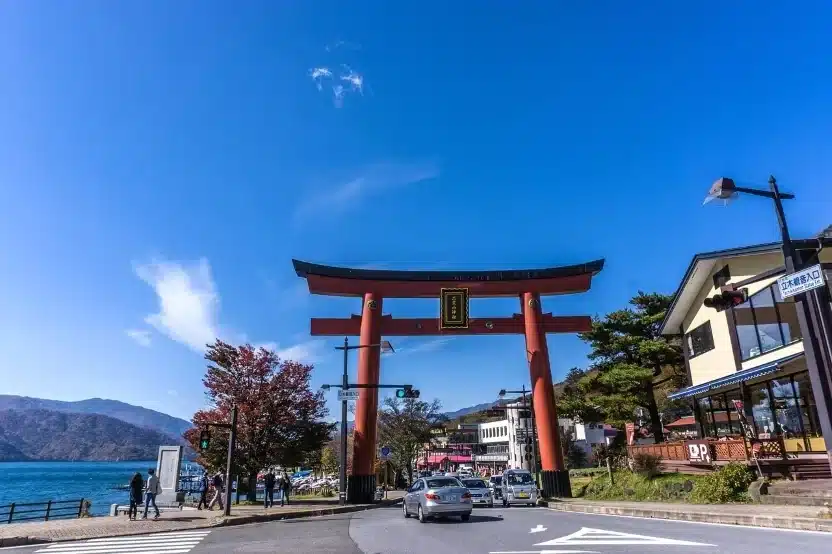
Lake Chuzenji
Lake Chuzenji offers a peaceful mountain escape above central Nikko. The lake sits at the foot of Mount Nantai, with wooded shores, wide views and a noticeably different atmosphere from the town below. It is a lovely place to slow down and enjoy the scenery.
The lake formed after a volcanic eruption of Mount Nantai thousands of years ago. In the nineteenth and twentieth centuries, its cool summer setting attracted overseas residents and diplomatic families, whose lakeside villas added another chapter to the area’s history.
Choose a gentle lakeside walk, visit a historic villa or check seasonal sightseeing-cruise services. You do not need to circle the whole lake to enjoy it. Pause at a cafe, admire the mountain views and pair your visit with Kegon Falls. Allow extra travel time during the popular autumn-colour season.

Futarasan Shrine
Futarasan Shrine offers a gentler contrast to nearby Toshogu. Mature trees, red shrine buildings and quiet corners create a lovely setting for an unhurried walk. It is a rewarding place to discover another side of Nikko’s sacred landscape.
The shrine was founded in the eighth century by the monk Shodo and is dedicated to the deities of Nikko’s mountains. Its traditions reflect the long relationship between religious worship and the natural world here. Together with Toshogu and Rinnoji, it forms part of Nikko’s World Heritage shrine and temple complex.
Take time to look at the gates, lanterns and forest surroundings, and explore visitor areas respectfully. Some sections have separate admission arrangements, so check before entering. The shrine fits easily into a walk through the historic district, with nearby Rinnoji offering a natural addition if you have more time.

Kanmangafuchi Abyss
Kanmangafuchi Abyss is a lovely choice when you want a quieter walk away from the busiest sightseeing spots. A wooded path follows a small gorge near the Daiya River, where flowing water and mossy surroundings create a peaceful atmosphere.
The gorge formed through volcanic activity associated with Mount Nantai. Its best-known feature is the line of stone Jizo statues, many wearing red hats and bibs. Local folklore says the number of statues seems to change when visitors try to count them, adding a playful mystery to the walk.
Enjoy the sculptures and river views at a gentle pace, remembering that this is also a religious setting. Stay on the path and leave the statues and their clothing untouched. The route makes a pleasant addition to central Nikko sightseeing, particularly when you have time to enjoy the town beyond its most famous gates.
Must Try in Nikko
Alongside these favourites, look for natural-ice kakigori, Nikko’s famous shaved-ice treat, or crispy age-yuba manju. Traditional pickles and local pork dishes offer more flavours to discover.
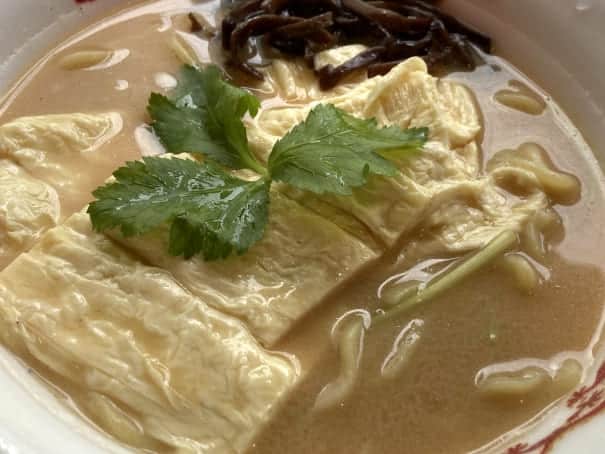
Nikko Yuba
Nikko’s signature soy speciality is made from the delicate skin that forms on heated soy milk. Try it fresh, simmered or in a traditional set meal.
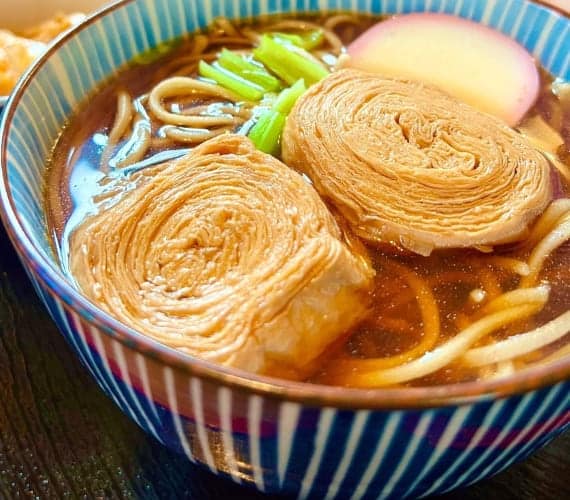
Yuba Soba
Enjoy buckwheat noodles topped with yuba, bringing two local favourites together. A warming bowl is especially welcome after exploring Nikko’s mountain scenery.

Nikko Yokan
Smooth red-bean jelly is a longstanding Nikko souvenir. Enjoy a small slice with tea, or take home a beautifully packaged selection; the photo illustrates classic yokan.

Manju & Sweet Buns
Look for soft sake manju or crispy age-yuba manju with sweet red-bean filling. The photograph illustrates traditional manju rather than a particular Nikko variety.

Nikko Pudding
Creamy custard pudding is a tempting modern treat. Nikko Pudding Tei offers classic pudding and other variations, making a sweet stop between sightseeing visits.

Strawberry Desserts
Tochigi is well known for strawberries. Look for seasonal parfaits, cakes and other fruit-filled treats; this photograph illustrates a strawberry dessert.
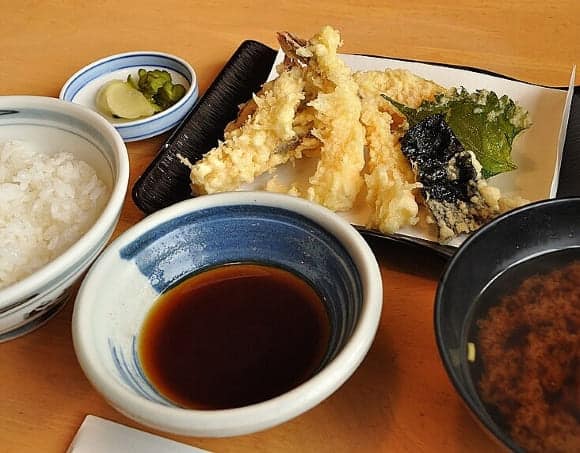
Tempura Set Meals
Crisp vegetables and seafood make a satisfying lunch alongside rice or noodles. Enjoy a set meal between sightseeing stops, with local yuba or soba where available.
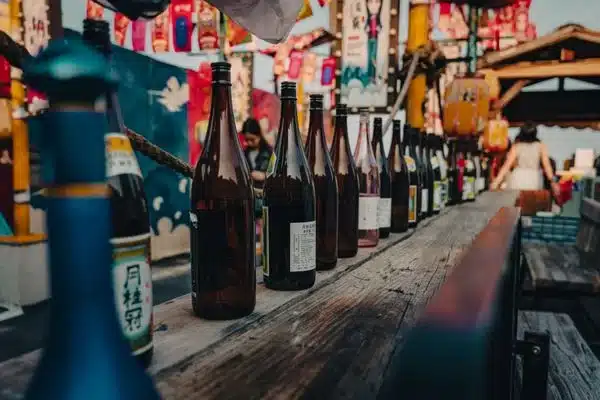
Local Sake
Discover sake from Nikko’s Imaichi area, home to historic breweries. Ask for a locally brewed selection; the photograph shows Japanese sake generally, rather than Nikko brands.
Swipe or scroll to explore