
Nara Top Attractions
Discover Nara’s remarkable temples, lantern-lined woodland and welcoming parkland, where deer wander among the sights of Japan’s ancient capital. Explore the city at a gentle pace, enjoy its traditional sweets and leave time for a memorable excursion to Horyuji.
Nara Park
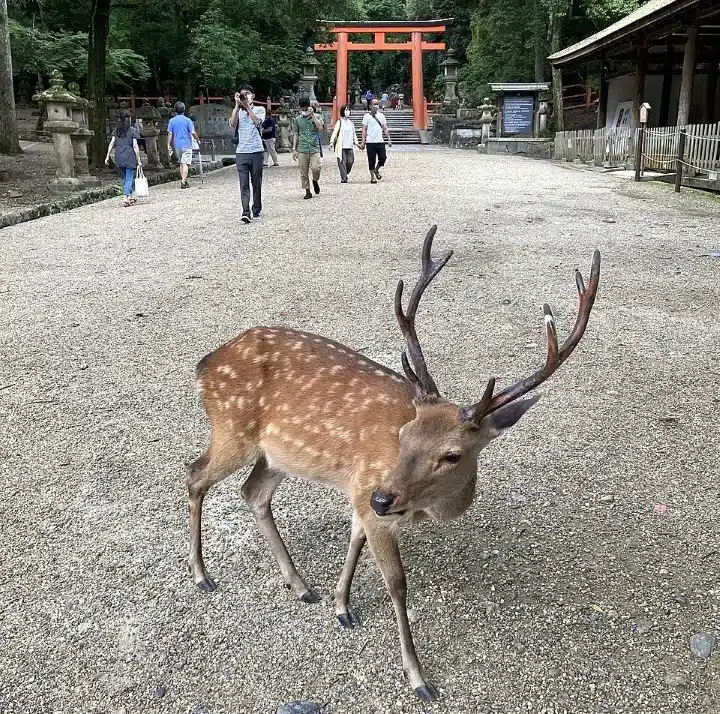
Nara Park is a wonderful introduction to the city, bringing open lawns, wooded paths and historic landmarks together in one memorable landscape. Its free-roaming deer are the most familiar sight, often wandering between visitors, temple approaches and patches of shade.
The deer have a long connection with the sacred traditions of nearby Kasuga Taisha, where they are regarded as messengers of the gods. Their presence gives the park a character unlike an ordinary city garden, with wildlife and cultural history sharing the same space.
Take a gentle walk towards the temples, enjoy the seasonal scenery and leave time to pause along the way. The deer are wild animals, so give them space and follow the posted guidance. If you choose to feed them, use only the approved deer crackers. Keep bags and loose paper out of reach, and never chase or tease them.

Todaiji Temple
Todaiji is one of Nara’s most impressive sights. Approaching its Great Buddha Hall, you quickly appreciate the scale of the temple and the ambition behind its creation. Inside, the enormous bronze Buddha provides a remarkable focus for this active place of worship.
The temple was established in the eighth century under Emperor Shomu, when Buddhism played an important role in the life of Japan’s ancient capital. Fires and rebuilding have shaped the complex over the centuries, while its spiritual importance has continued.
Allow time to look beyond a single photograph. The approach, great gates and surrounding grounds all contribute to the experience. Visit the hall quietly, follow the guidance on photography and notice the contrast between the vast building and its smaller details. If you have more time and energy, paths lead towards other parts of the Todaiji complex, including the hillside setting of Nigatsudo.
Kasuga Taisha Shrine
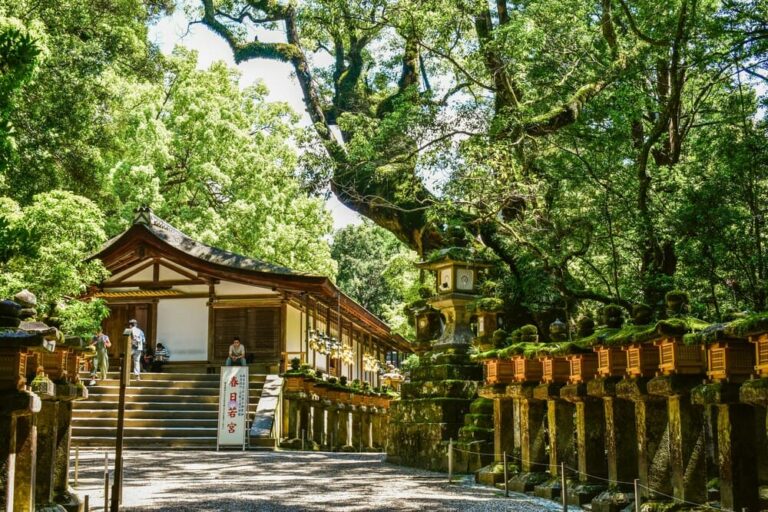
Kasuga Taisha offers a peaceful change of pace beneath the trees. Its shrine buildings and lantern-lined approaches create a gentle journey from the open spaces of Nara Park into a more sheltered, sacred landscape.
Established in the eighth century, the shrine became closely associated with the powerful Fujiwara family. Stone lanterns line the approaches, while hanging lanterns decorate the shrine buildings. These offerings help explain the deep connection between worship, craftsmanship and the generations of people who have supported the site.
Explore at an unhurried pace, looking at the moss, timber details and changing light beneath the trees. The famous lantern festivals create a special atmosphere, but an ordinary daytime visit is rewarding too. Respect worshippers and follow the signs for accessible areas. Combine the shrine with a walk through the eastern side of Nara Park, leaving enough time to enjoy the wooded surroundings between the main landmarks.
Kofukuji Temple
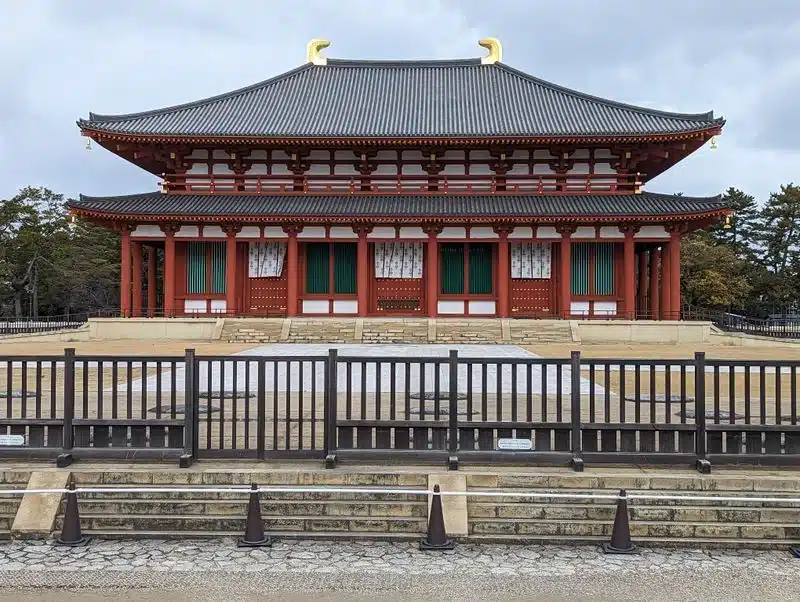
Kofukuji stands close to the centre of Nara and makes an easy first stop on a walk towards the park. Its temple halls and spacious grounds connect the modern city with the period when Nara served as Japan’s capital.
The temple has a long relationship with the Fujiwara family, whose influence shaped much of the country’s early court history. Buildings have been lost and rebuilt over time, and the temple’s art collection preserves remarkable examples of Buddhist sculpture, including the celebrated Ashura figure.
Enjoy the grounds before choosing which halls or exhibitions to visit. The National Treasure Hall is especially rewarding for anyone interested in Japanese art and religious history. The five-storey pagoda is an important symbol of Nara, and is undergoing major conservation work, so its appearance and access differ from historic photographs. Check the temple’s current visitor information before arriving. Afterwards, continue towards Sarusawa Pond or the nearby shopping streets for a relaxed change of scene.
Horyuji Temple Excursion
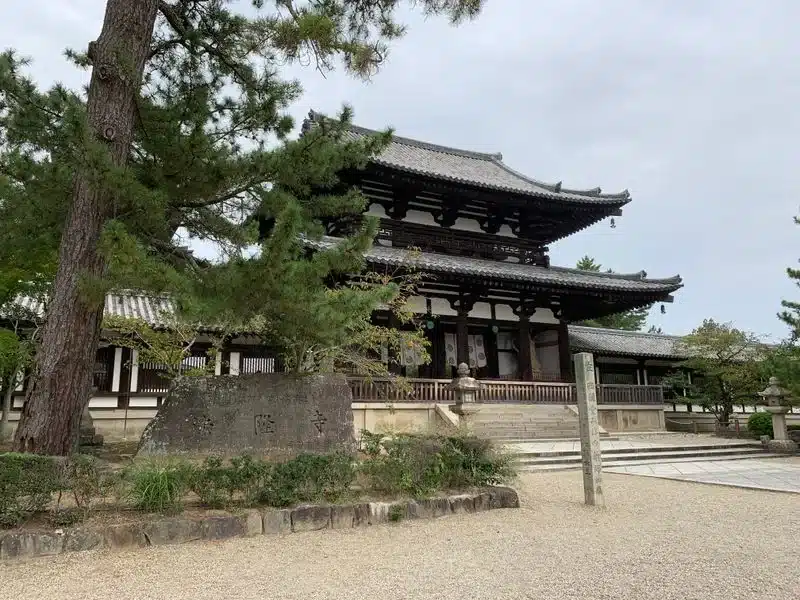
Horyuji is a rewarding excursion for visitors who want to explore more of Nara Prefecture’s early history. Located in Ikaruga, outside central Nara, its spacious temple grounds bring together extraordinary architecture, Buddhist art and a quieter atmosphere.
The temple is closely associated with Prince Shotoku and the early development of Buddhism in Japan. Its western precinct contains some of the world’s oldest surviving wooden buildings, making a visit especially meaningful for anyone interested in traditional construction and cultural heritage.
Take time to appreciate the proportions of the pagoda, the rooflines and the details of the timber buildings. Different parts of the complex reveal different chapters of its history, so this is a place to explore patiently. Plan the journey separately from your walk around Nara Park and check current transport and admission arrangements. Comfortable shoes help on the broad grounds, and quiet observation is part of the pleasure of visiting.
Must Try in Nara
Nara’s traditional sweets and tea culture offer plenty of reasons to pause. Look out for persimmon-leaf sushi and Miwa somen too, alongside these sweet and refreshing favourites.
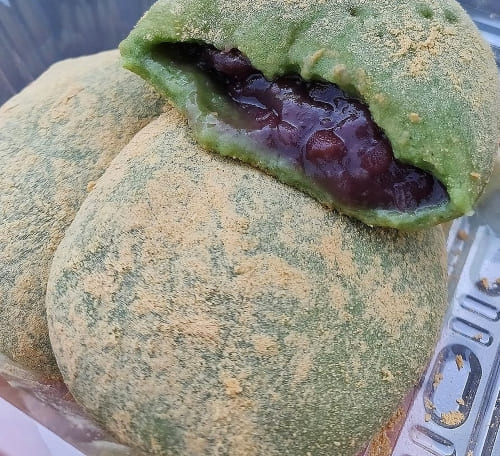
Yomogi Mochi
Soft rice cakes flavoured with fragrant yomogi, or Japanese mugwort. Look for freshly made versions around Nara’s shopping streets, often paired with sweet red bean paste.
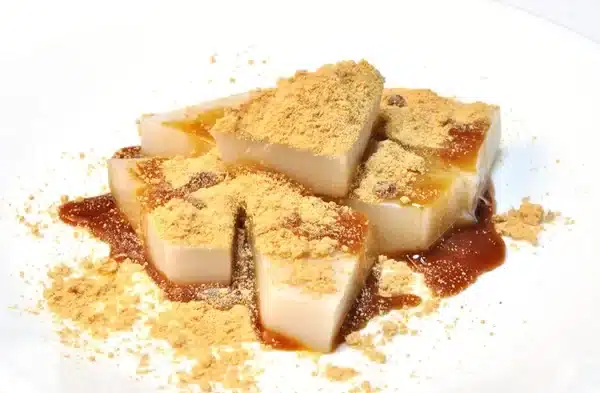
Kuzumochi
Nara’s Yoshino region is famous for kuzu starch. Seek out delicate locally made kuzu sweets with kinako and dark sugar syrup; the photograph illustrates kuzumochi.

Kakigori
Nara has an enthusiastic shaved-ice scene. Look for local cafes serving fluffy kakigori with fruit syrups, tea flavours or other seasonal toppings.
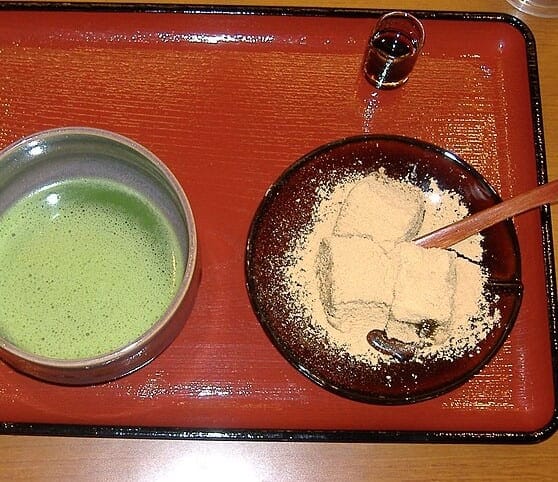
Yamato Tea
Tea grown in Nara Prefecture is known as Yamato tea. Ask for a locally grown brew, and pair your cup with a traditional Japanese sweet for a gentle sightseeing break.

Local Sake
Nara has a long connection with sake brewing. Ask for a local brewery’s sake with dinner, or explore a tasting where available to discover the region’s different styles.
Swipe or scroll to explore