
Kyoto Top Attractions
Discover Kyoto’s beautiful temples, traditional streets and peaceful landscapes. These seven attractions bring together memorable sights and everyday cultural discoveries, with time to enjoy gardens, browse local markets and taste the food and drinks that make the city so rewarding to explore.
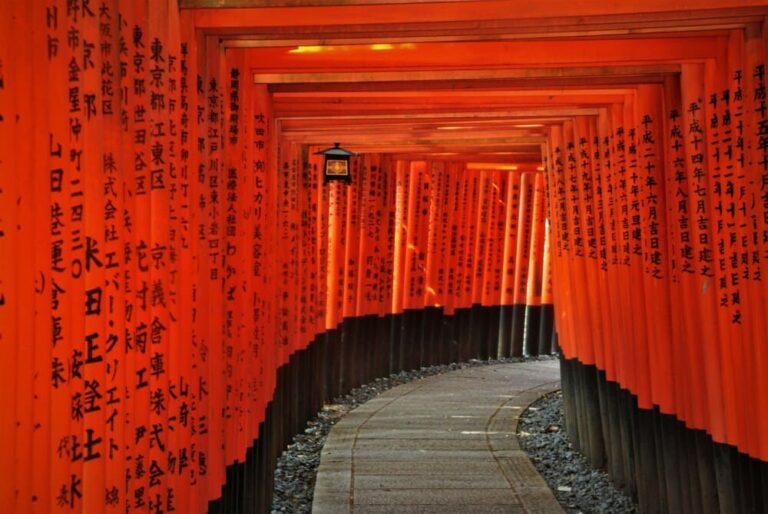
Fushimi Inari Taisha
Fushimi Inari Taisha is one of Kyoto’s most memorable sights, famous for the vermilion torii gates that wind into the wooded slopes of Mount Inari. Walking beneath them creates a changing pattern of light, colour and shadow that feels quite different from the city streets.
The shrine’s history reaches back to 711, and it is associated with Inari, the deity connected with rice, prosperity and business. Many gates have been donated by individuals and companies, continuing a tradition that links everyday hopes with this sacred landscape.
Explore the main shrine area before following the hillside paths. You can enjoy a short walk or venture further, depending on your time and energy. Fox figures appear throughout the grounds as messengers of Inari. Wear comfortable shoes, leave room for other walkers and remember that this is an active place of worship. A thoughtful visit offers much more than the familiar photograph of red gates.
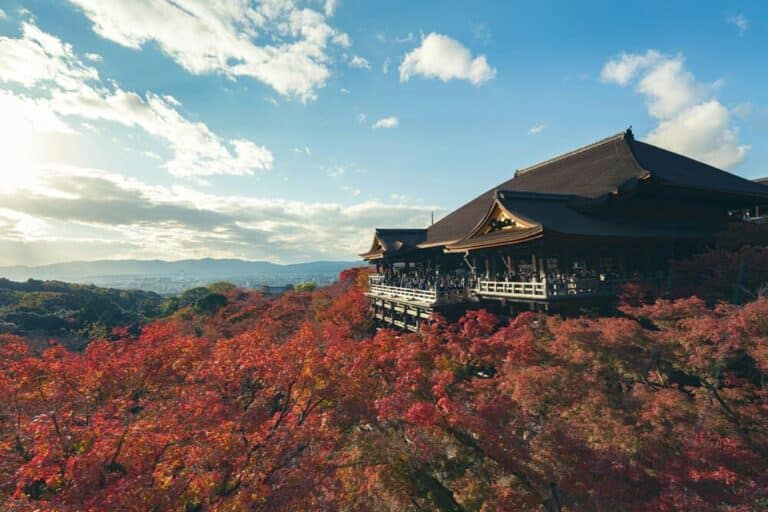
Kiyomizu-dera Temple
Kiyomizu-dera combines Kyoto’s spiritual history with beautiful hillside scenery. Its famous wooden stage projects from the main hall, offering views across trees and rooftops towards the city. The approach through historic shopping streets makes the journey part of the experience.
Founded in 778, the temple takes its name from the clear water associated with Otowa Waterfall. Its buildings and setting reflect centuries of devotion, while the changing seasons give visitors different reasons to return. Spring blossoms and autumn foliage are especially appealing.
Allow time to explore the temple grounds rather than stopping only at the best known viewpoint. Afterwards, wander the nearby lanes around Sannenzaka and Ninenzaka, where traditional buildings, small shops and cafés create a lovely atmosphere. The approach includes slopes and steps, so comfortable shoes help. Keep pathways clear and follow photography guidance. Kiyomizu-dera is a rewarding combination of architecture, views and the everyday charm of Kyoto’s eastern hillside districts.

Kinkaku-ji — The Golden Pavilion
Kinkaku-ji is a beautiful introduction to Kyoto’s carefully composed landscapes. Its gold-covered pavilion stands beside a pond, where reflections, trees and small islands create one of the city’s most recognisable scenes. The setting encourages you to notice how architecture and nature work together.
Officially named Rokuon-ji, this Zen temple is closely connected with the legacy of shogun Ashikaga Yoshimitsu. The famous pavilion is a reconstruction following a twentieth-century fire, preserving the appearance of a much older design.
Visitors follow a garden route that reveals different perspectives on the pavilion and its surroundings. Take time to enjoy the greenery and details along the path rather than concentrating only on the first photograph. Weather and seasons change the atmosphere, from bright summer reflections to quieter winter scenes. The pavilion itself is viewed from outside. An unhurried visit makes this more than a landmark stop: it becomes an opportunity to appreciate Kyoto’s traditions of design and landscape.
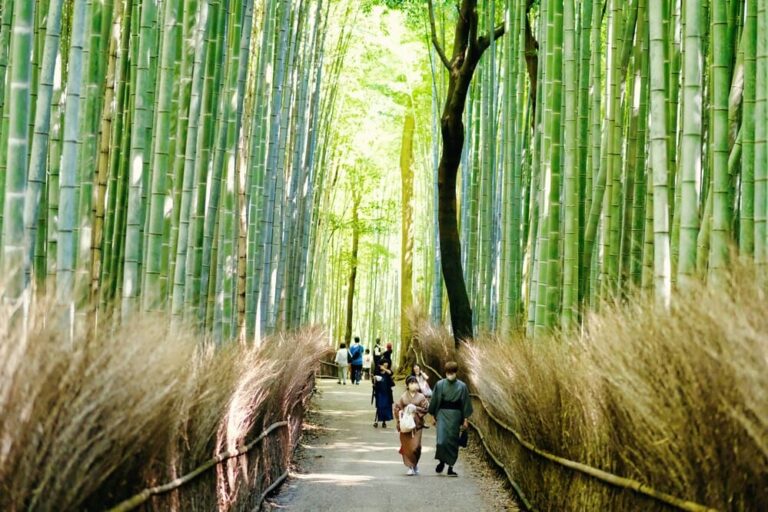
Arashiyama Bamboo Grove
Arashiyama’s bamboo grove offers one of Kyoto’s most distinctive walking experiences. Tall stems rise on either side of the path, filtering daylight into shifting shades of green. Looking upwards reveals a different view, with slender leaves moving gently above the walkway.
The grove forms part of a wider district on Kyoto’s western edge, where temples, gardens and riverside scenery make it easy to spend several hours exploring. Rather than treating the bamboo path as a single photograph, combine it with a relaxed walk through the surrounding area.
Nearby Tenryu-ji and the Togetsukyo Bridge provide different perspectives on Arashiyama’s cultural and natural setting. The main paths can be busy, so allow space for other visitors and keep moving when taking pictures. Stay on public routes and respect barriers around the bamboo. Comfortable shoes and a flexible itinerary help you enjoy the district at a gentler pace. Arashiyama rewards travellers who leave time for discoveries beyond its most famous scene.

Gion & Historic Streets
Gion offers a glimpse of Kyoto’s traditional streetscape, with wooden buildings, lanterns and narrow lanes creating a distinctive atmosphere. The district is closely associated with the city’s geiko and maiko culture, alongside restaurants, teahouses and everyday neighbourhood life.
Its character is best appreciated slowly. Walk along public streets, notice the architecture and explore nearby areas around Yasaka Shrine and the Shirakawa canal. Evening light can be especially beautiful, but daytime reveals the smaller details of doors, shopfronts and rooflines.
Gion is a living community rather than an open-air stage. Follow signs marking private lanes or photography restrictions, and avoid stopping or photographing working geiko and maiko without permission. A respectful approach helps preserve the atmosphere visitors come to enjoy. Leave time for a café or a meal instead of rushing through with a camera. Combined with nearby Higashiyama, Gion makes a lovely introduction to Kyoto’s connection between history, culture and the present day.

Nijo Castle
Nijo Castle reveals a different side of Kyoto’s history, shaped by shoguns, political power and richly decorated architecture. Behind its walls and moats, palace buildings and gardens offer a rewarding contrast to the city’s temples and shrines.
The castle served as a Kyoto residence for the Tokugawa shoguns and witnessed important events in Japan’s history. The Ninomaru Palace is especially notable for its decorated rooms and carefully arranged spaces, which communicated status as well as providing accommodation.
As you explore, look beyond the grand entrances to the craftsmanship, garden views and layout of the complex. Exhibitions and information panels help connect the buildings with the people who used them. Access can vary between areas, so check the official visiting arrangements before arriving. Follow indoor photography guidance and leave enough time for the grounds. Nijo Castle is particularly rewarding for visitors interested in architecture and history, showing how Kyoto’s former role as an imperial capital intersected with the authority of the shogunate.

Nishiki Market
Nishiki Market is a colourful introduction to Kyoto’s food culture. Its covered shopping street brings together ingredients, prepared foods, sweets and small shops, offering plenty of reasons to pause and discover something unfamiliar. Browsing here adds a tasty dimension to a sightseeing day.
Known as Kyoto’s kitchen, the market reflects the city’s interest in seasonal produce and carefully prepared food. Look for pickles, tofu products, tea, seafood and traditional snacks, alongside kitchenware and other items connected with everyday cooking.
Take your time comparing displays and choose a few things to try. Eat at the stall or in the area designated by the seller, rather than walking through the market with food. Keeping the narrow route clear makes the experience better for shoppers and visitors alike. Nishiki sits close to central Kyoto’s shopping streets, making it easy to combine with a relaxed afternoon in the city. It is an enjoyable place to explore with curiosity and an appetite.
Must Try in Kyoto
Take time for delicate tofu dishes, traditional sweets and Kyoto’s tea culture. Alongside local specialities, these familiar Japanese favourites make enjoyable sightseeing breaks.

Yudofu
Gently warmed tofu served with dipping sauce and simple accompaniments. A delicate Kyoto dish that lets the quality of the tofu shine.
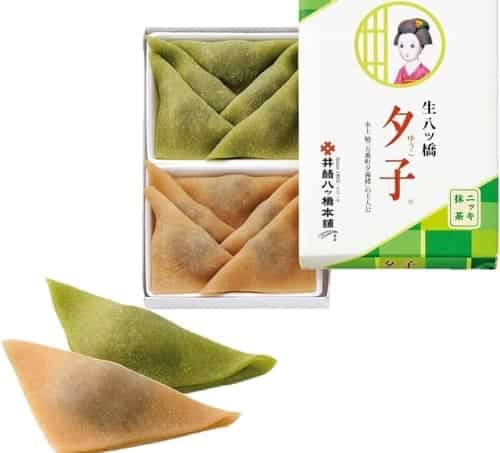
Nama yatsuhashi
Soft triangular rice-dough sweets, often with cinnamon or matcha and a red bean filling. A classic Kyoto souvenir and tea-time treat.
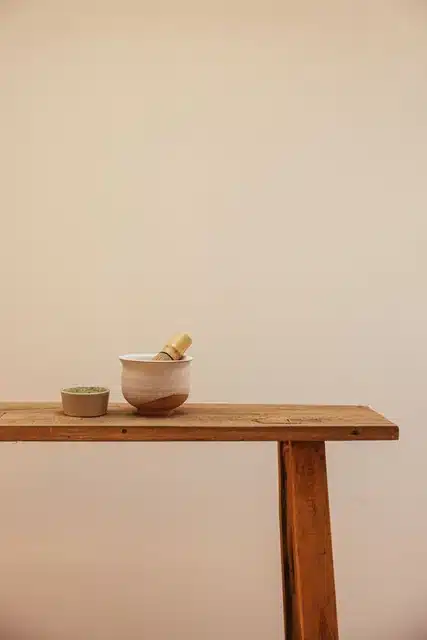
Matcha tea
Whisked green tea with a rich, gently bitter flavour. Enjoy slowly, perhaps alongside a small Japanese sweet.

Matcha ice cream
Creamy green tea ice cream with a refreshing balance of sweetness and tea flavour. A lovely treat between sightseeing stops.

Soba noodles
Buckwheat noodles served chilled with dipping sauce or in warm broth. Look for local restaurants offering their own seasonal accompaniments.

Tempura
Lightly battered seafood and vegetables fried until crisp. Enjoy with dipping sauce, salt or as part of a thoughtfully prepared meal.
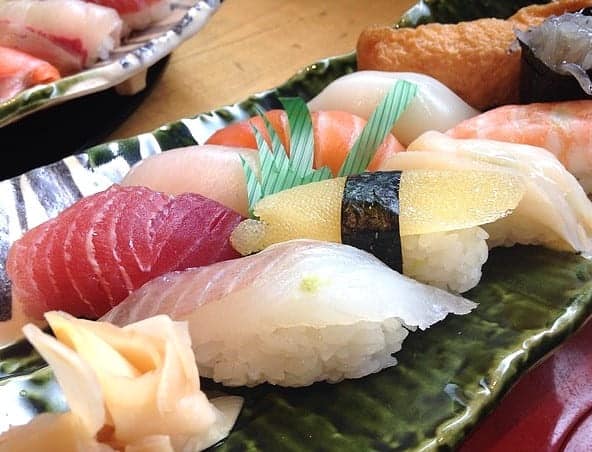
Sushi
Enjoy a beautifully prepared sushi meal between sightseeing stops. Kyoto also has pressed and mackerel sushi traditions worth seeking out; the photograph shows nigiri sushi.

Fushimi sake
Kyoto’s Fushimi district is famous for sake brewing. Explore different styles through a brewery visit or a small tasting.

Matcha latte
Green tea blended with milk, served hot or iced. An easygoing café choice when you fancy a sweeter matcha drink.
Swipe or scroll to explore