
Kanazawa Top Attractions
Discover Kanazawa’s graceful gardens, castle history and beautifully preserved streets, with local crafts and memorable food along the way. Explore at a gentle pace, pause for traditional sweets and enjoy a city where history is part of everyday life.

Kenrokuen Garden
Kenrokuen is a wonderful place to begin exploring Kanazawa. Curving paths lead between ponds, graceful trees and carefully arranged viewpoints, with something lovely to notice in every season. The famous stone lantern beside the water is a familiar symbol of the city.
Once a private garden of the Maeda family, who ruled the Kaga domain, it developed over generations alongside nearby Kanazawa Castle. Its name refers to six qualities associated with an ideal landscape garden, including spaciousness, tranquillity and beautiful views.
Take an unhurried walk rather than heading straight for a single photo spot. Spring blossoms, summer greenery and autumn colour each bring a different character. In the colder months, the ropes supporting tree branches create another distinctive scene. Leave time for a tea break nearby, then continue across to the castle grounds for a natural next stop.

Kanazawa Castle Park
Kanazawa Castle Park introduces the powerful family behind much of the city’s history. Its white buildings, broad grounds and impressive stone walls make an enjoyable place to explore, especially when combined with neighbouring Kenrokuen Garden.
The castle served as the headquarters of the Maeda clan. Fires and rebuilding changed its appearance over the centuries, and today the site brings together surviving historic structures and carefully reconstructed buildings. Ishikawamon Gate is one of its best-known surviving landmarks.
Look closely at the varied stonework, rooflines and details of the walls as you wander. These features tell as much of the castle’s story as the larger buildings. The spacious grounds also offer lovely perspectives for photography without needing to rush. Check which interiors are open if you would like to learn more about traditional construction, and allow time to enjoy the surrounding gardens.

Higashi Chaya District
Higashi Chaya is one of Kanazawa’s most atmospheric neighbourhoods. Timber-fronted buildings, fine latticework and narrow lanes create a beautiful setting for a gentle walk. Today, historic architecture sits alongside welcoming cafes, sweet shops and stores selling local crafts.
The district was established in 1820 as one of the city’s designated entertainment quarters. Its chaya were places where guests enjoyed music, dance and hospitality, and Kanazawa’s geisha traditions remain part of the area’s living culture.
Explore the main street, then look for quieter corners without entering private properties. A historic teahouse open to visitors can add depth to the experience, while gold-leaf shops offer a connection with another famous local craft. Stop for a traditional sweet or gold-leaf ice cream along the way. Be considerate when taking photographs and leave space for residents, shopkeepers and other visitors.

Nagamachi Samurai District
Nagamachi offers a quieter glimpse of Kanazawa’s castle-town past. Earthen walls, traditional gates and narrow lanes give the neighbourhood a distinctive character, while small waterways add to the pleasure of walking through the area.
During the feudal period, samurai serving the Kaga domain lived here. The district’s layout and surviving features help visitors imagine the residential side of life around the castle, away from grand public buildings and formal gardens.
Take your time with the details: the texture of a wall, a timber gate or the view along a lane. The Nomura family residence is a popular place to explore a historic home and garden; check its current visitor arrangements before arriving. Nearby craft shops and cafes make pleasant additions to the walk. This remains a neighbourhood as well as an attraction, so respect private entrances and enjoy it at a gentle pace.

Omicho Market
Omicho Market is a lively introduction to Kanazawa’s food culture. Covered lanes bring together seafood sellers, produce stalls and places to eat, with tempting displays and plenty of everyday activity. It is a lovely place to browse before choosing lunch.
Established during the Edo period, the market has served the city for more than 300 years. Its strong connection with the Sea of Japan explains the abundance of fish and shellfish, while seasonal vegetables and other local ingredients reflect the surrounding countryside.
Look for a seafood rice bowl, sushi or another dish that catches your eye. Winter brings particular interest in crab and rich yellowtail, while other seasons have their own highlights. Ask what is available locally and enjoy food in the areas provided by each shop. Individual businesses keep different hours, so check any particular restaurant you hope to visit.

Kanazawa Station & Tsuzumi-mon Gate
Kanazawa Station gives arriving visitors a memorable first impression. The dramatic wooden Tsuzumi-mon Gate stands in front of the modern station complex, bringing traditional inspiration into a busy transport hub. It is worth pausing here even if you are heading straight into the city.
The gate’s design draws on the tsuzumi drums used in traditional Noh theatre, linking contemporary architecture with Kanazawa’s performing arts. Behind it, the glass-covered Motenashi Dome provides a contrasting setting and reflects the idea of welcoming visitors.
Take a photograph from a position that keeps entrances and walking routes clear, then explore the station’s shops for local foods and souvenirs. It is a convenient place to discover regional sweets or browse gifts before your onward journey. The station also makes a useful starting point for planning transport around Kanazawa and a final stop before leaving.
Must Try in Kanazawa
Alongside these favourites, look for jibuni, a traditional duck stew with vegetables and wheat gluten, or a warming bowl of Kanazawa oden.
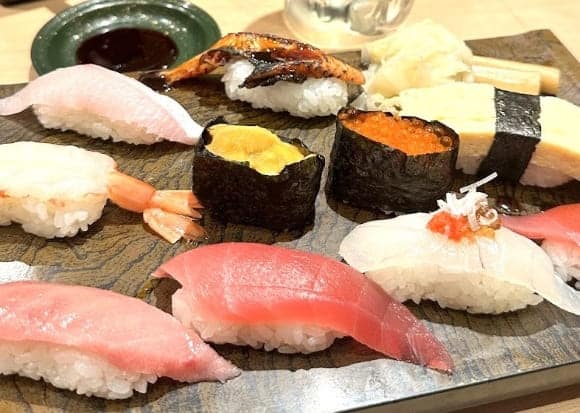
Sushi & Seafood
Kanazawa is famous for seafood from the Sea of Japan. Enjoy sushi or a seafood rice bowl, and ask what is locally caught and in season.

Snow Crab
A celebrated winter favourite, prized for its sweet meat. Look for local snow crab and the smaller female crab known as kobako-gani when available.

Kanazawa Curry
Thick, dark curry served with rice, shredded cabbage and usually a crisp pork cutlet. A hearty local favourite with a distinctive style.

Hanton Rice
A satisfying plate of omelette-topped rice with fried seafood, ketchup and tartar sauce. This playful local comfort food is well worth trying.

Gold-Leaf Ice Cream
Enjoy soft-serve wrapped in a gleaming sheet of edible gold leaf. A memorable treat celebrating Kanazawa’s famous gold-leaf craft.

Kintsuba
A traditional red-bean sweet with a delicate outer coating. Enjoy it with tea or take a box home as a classic Kanazawa souvenir.
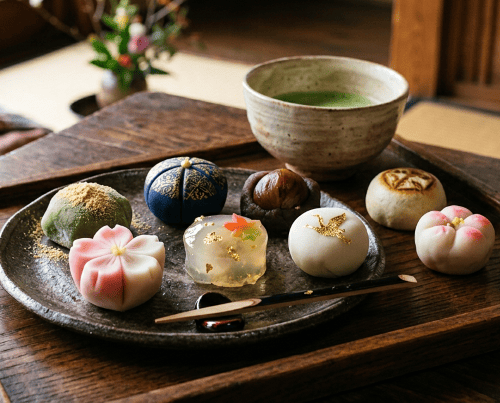
Seasonal Wagashi
Beautiful Japanese sweets shaped around seasonal themes. Kanazawa’s tea culture makes a sweet-and-tea break a lovely part of a visit.

Kaga Bocha & Roasted Tea
Ask for Kaga bocha, the region’s fragrant roasted-stem tea. Its warming aroma makes a lovely partner for traditional sweets; pictured is roasted hojicha tea.

Local Sake
Explore sake from Kanazawa and the wider Ishikawa region. Ask for a locally brewed selection to enjoy with seafood or traditional Kaga cuisine.
Swipe or scroll to explore