
Hiroshima Top Attractions
Discover Hiroshima’s remarkable history, beautiful island scenery and peaceful gardens. These five places offer a memorable introduction to the city and its surroundings, with time for exploration, reflection and a few wonderful surprises along the way.
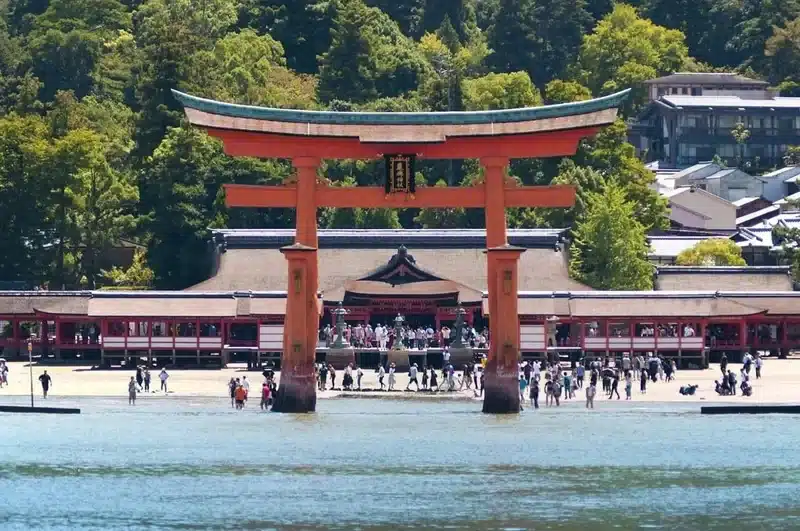
Miyajima
Miyajima brings together sacred history, coastal scenery and some of Japan’s most memorable views. Itsukushima Shrine and its vermilion torii gate are the island’s signature sights. At high tide, they appear to float above Hiroshima Bay, while low tide reveals a different perspective on this remarkable setting.
The island has long been considered sacred. Recognised as a UNESCO World Heritage Site in 1996, the shrine reflects a close connection between architecture, sea and mountains. Its covered corridors offer beautiful views across the water.
Beyond the waterfront, explore small streets, browse local shops and sample oysters or momiji manju, the maple leaf shaped cakes associated with Miyajima. Watch the deer without feeding them, and leave time for the forest scenery around Mount Misen.
Rather than rushing back after a photograph, spend a relaxed day discovering the island’s quieter corners. History, local flavours and lovely views make Miyajima a rewarding escape from the city.

Hiroshima Atomic Bomb Dome
The Atomic Bomb Dome is one of Hiroshima’s most powerful landmarks. Beside the Motoyasu River, its exposed brickwork and metal dome preserve a visible reminder of the atomic bombing on 6 August 1945. Today, the ruins also express the city’s continuing commitment to peace.
Completed in 1915, the building originally served as the Hiroshima Prefectural Commercial Exhibition Hall, displaying local products and hosting exhibitions. It later became the Industrial Promotion Hall. Although devastated by the explosion nearby, parts of its walls and distinctive dome remained standing.
Hiroshima preserved the structure as a witness to the tragedy, and it joined the UNESCO World Heritage List in 1996. Visitors view it from outside the perimeter fence.
Take time to read the information panels and follow the riverside paths. With Peace Memorial Park nearby, this is a meaningful starting point for understanding Hiroshima’s history. Visit thoughtfully, take photographs respectfully and allow yourself a quiet moment to reflect.
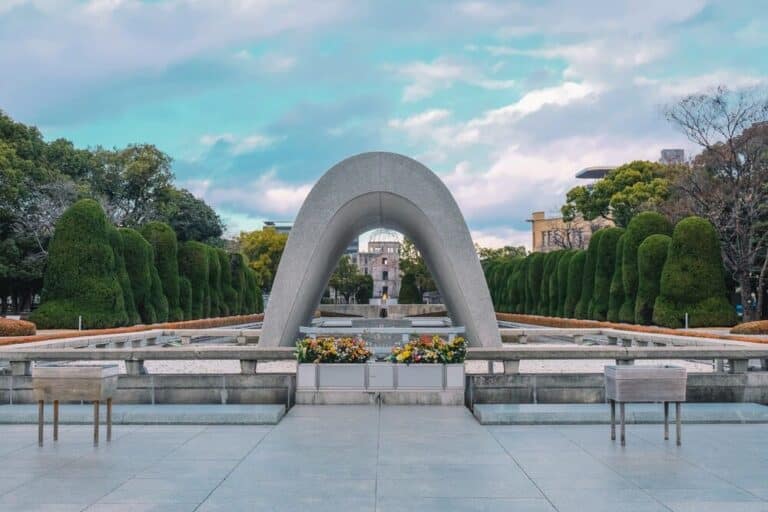
Hiroshima Peace Park
Hiroshima Peace Memorial Park is a place of remembrance, reflection and hope. Green spaces and riverside paths surround monuments dedicated to those affected by the atomic bombing, creating a peaceful setting within the heart of the modern city.
The park occupies what was once a busy district before the bombing in 1945. After the war, the area became a memorial landscape. Architect Kenzo Tange helped shape its design, including the Peace Memorial Museum.
Look for the Cenotaph for the Atomic Bomb Victims, the Flame of Peace and the Children’s Peace Monument. The colourful paper cranes around the children’s monument express wishes for peace and recall the story of Sadako Sasaki.
The museum adds context through objects, photographs and personal accounts. Some displays are emotionally challenging, so leave time afterwards for a quiet walk. Together with the nearby Atomic Bomb Dome, the park offers an essential opportunity to understand Hiroshima’s past and its message for the future.
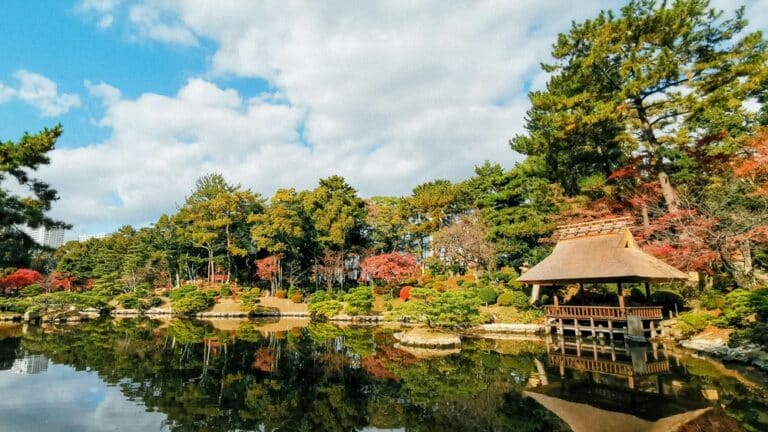
Shukkeien Garden
Shukkeien Garden offers a peaceful pause among ponds, bridges and carefully arranged greenery. Created in 1620, this historic garden brings the feeling of much larger landscapes into a compact setting. Its name is often translated as “shrunken scenery”.
Originally associated with Hiroshima’s feudal rulers, the garden centres on a pond bordered by miniature hills, winding paths and traditional structures. Each turn reveals a fresh view: a reflection, a quiet corner or a beautifully framed tree.
The garden was severely damaged by the atomic bombing in 1945 and later restored. Its beauty today forms part of Hiroshima’s wider story of recovery.
Spring blossoms, fresh summer greenery and rich autumn colour give visitors different reasons to return. Bring your camera, but leave time simply to enjoy the details and gentle pace. The Hiroshima Prefectural Art Museum stands next door, making it easy to combine a garden stroll with an afternoon of art, history and culture.
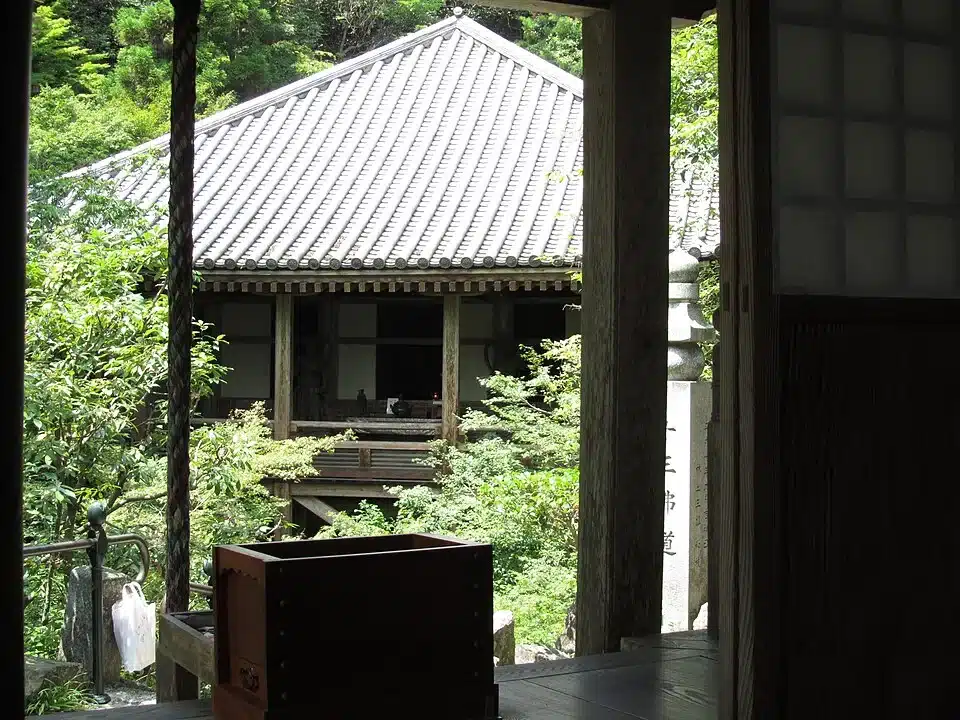
Mitaki Temple
Mitaki Temple offers a quieter side of Hiroshima, tucked into wooded hills away from the busiest sightseeing streets. Leafy paths, stone Buddhist figures and flowing water create a gentle setting for a slower, more contemplative visit.
Also known as Mitaki-dera, the temple is traditionally associated with Kukai, the teacher who founded the Shingon school of Buddhism. Its name refers to the three waterfalls within the grounds, whose sound adds to the peaceful atmosphere.
Explore the temple buildings, pagoda and monuments connecting this wooded setting with Hiroshima’s history. Autumn leaves bring beautiful colour to the hillside, while other seasons offer fresh greenery and quiet forest scenery. Wear comfortable shoes for the slopes and steps, respect worshippers and pause beside the water. Mitaki makes a rewarding complement to Hiroshima’s better-known landmarks.
Must Try in Hiroshima
Discover Hiroshima’s layered okonomiyaki, oysters and island favourites, with maple-leaf cakes, citrus sweets and local sake to round out the experience.

Hiroshima-style Okonomiyaki
Layers of cabbage, noodles and egg are cooked on a hot griddle and finished with savoury sauce. Watching the cook build this hearty Hiroshima favourite is part of the fun.
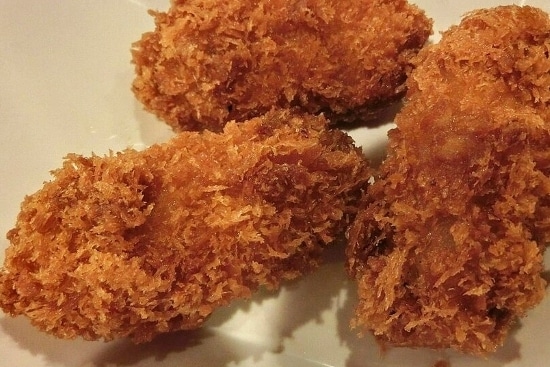
Hiroshima Oysters
Hiroshima is famous for its oysters. Try them grilled, steamed or crisply fried, and look for local catches on the menus around the city and Miyajima.
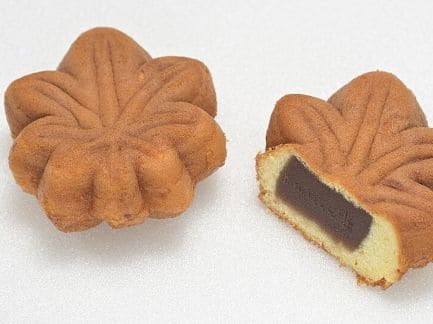
Momiji Manju
These maple leaf shaped cakes are a classic Miyajima souvenir. Sweet red bean paste is the traditional filling, with custard, chocolate and other flavours offering tempting variations.

Local Sake
Hiroshima has a proud sake brewing tradition, with nearby Saijo especially well known. Ask for a local sake to accompany your meal and discover the region through a small tasting.
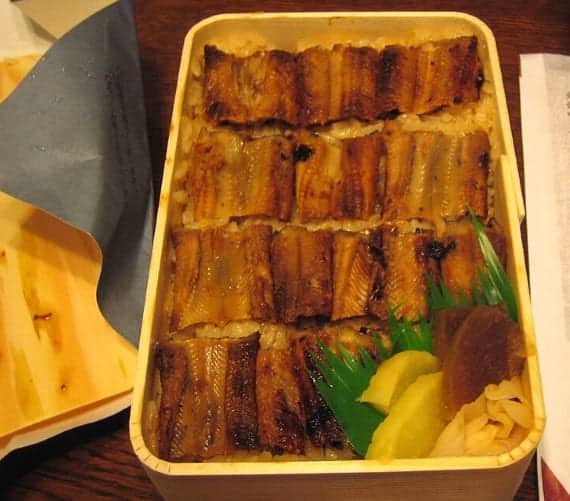
Anago Meshi
Miyajima is well known for anago meshi: tender grilled conger eel served over rice. The gently savoury sauce makes this a lovely lunch to try during an island visit.

Setouchi Lemon Sweets
Hiroshima’s Setouchi area is known for lemons. Look for bright, citrus-flavoured cakes, biscuits and other sweets to take home or enjoy with a cup of tea.
Swipe or scroll to explore